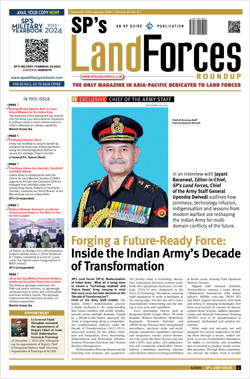





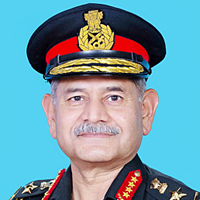
The insightful articles, inspiring narrations and analytical perspectives presented by the Editorial Team, establish an alluring connect with the reader. My compliments and best wishes to SP Guide Publications.
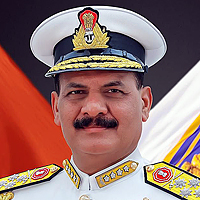
"Over the past 60 years, the growth of SP Guide Publications has mirrored the rising stature of Indian Navy. Its well-researched and informative magazines on Defence and Aerospace sector have served to shape an educated opinion of our military personnel, policy makers and the public alike. I wish SP's Publication team continued success, fair winds and following seas in all future endeavour!"

Since, its inception in 1964, SP Guide Publications has consistently demonstrated commitment to high-quality journalism in the aerospace and defence sectors, earning a well-deserved reputation as Asia's largest media house in this domain. I wish SP Guide Publications continued success in its pursuit of excellence.
The continuous barrage of hi-calibre missiles and drones now seriously enters into a dangerous phase while there is no resolution in sight. The energy crisis is deepening especially in Asian countries.
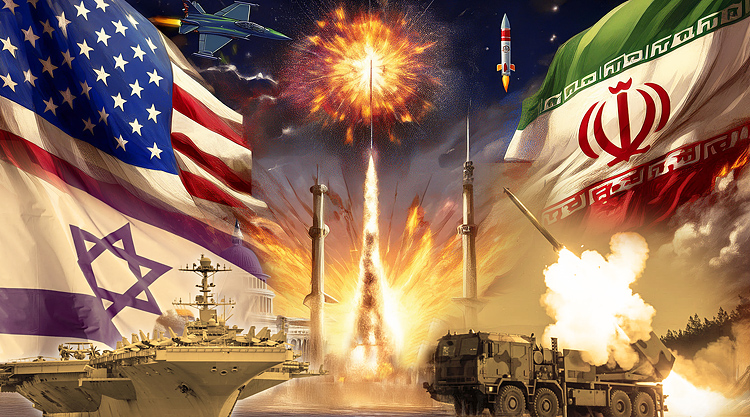
The ongoing war between Iran and Israel intensified sharply on Friday, as airstrikes, drone attacks, and escalating rhetoric signalled a dangerous new phase in the conflict–one that is increasingly spilling across the wider Gulf region and unsettling global energy markets.
Israeli forces launched fresh airstrikes on Tehran early Friday, coinciding with celebrations of Nowruz, the Persian New Year. Residents and activists reported multiple explosions across the capital, underscoring the symbolic and strategic weight of the attack. The strikes came despite earlier indications that Israel would scale back operations targeting Iran's critical energy infrastructure.
Iranian Foreign Minister Abbas Araghchi warned that Tehran had so far exercised restraint, stating that only a "fraction" of its military capabilities had been used in retaliatory strikes on regional energy facilities. He issued a stark warning that Iran would show "zero restraint" if its own energy infrastructure is targeted again–raising fears of a broader regional escalation.
The Strait of Hormuz, a narrow but critical maritime passage through which nearly a fifth of the world's oil supply flows, has heightened military activity and threats to energy infrastructure in the Gulf. The crisis has raised fears of potential blockages or delays, sending shockwaves through international markets.
Those fears appeared to materialise hours later when Kuwait's state oil company reported that its Mina Al-Ahmadi refinery had been struck by multiple drone attacks early Friday. The facility, one of the largest in the region, suffered fires in several units, though initial reports indicated no casualties. The incident highlights the widening geographic scope of the conflict and the vulnerability of key oil infrastructure across the Gulf.
The escalation follows Israel's earlier strike on Iran's South Pars gas field, a critical component of the country's energy sector. In response, Iran has stepped up attacks on oil and gas installations throughout the region, signalling a shift toward economic warfare with global implications.
Meanwhile, international concern over the security of vital shipping routes is mounting. In a joint statement issued Thursday, European nations, along with Japan and Canada, pledged readiness to ensure safe passage through the Strait of Hormuz–a chokepoint through which a significant portion of the world's oil supply passes. The coalition also emphasised coordinated efforts to stabilise volatile energy markets.
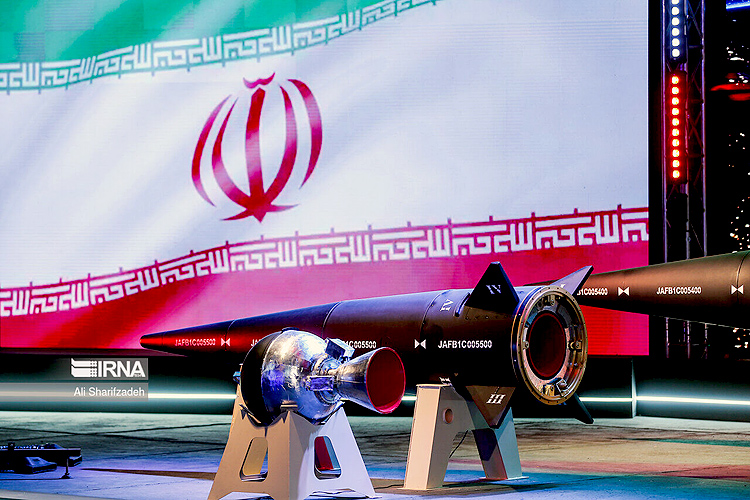
The tussle across the Strait of Hormuz, a narrow but critical maritime passage through which nearly a fifth of the world's oil supply flows, has heightened military activity and threats to energy infrastructure in the Gulf. The crisis has raised fears of potential blockages or delays, sending shockwaves through international markets.
However, there was temporary relief. Despite the intensifying conflict, global oil prices showed an unexpected dip. Crude fell more than two per cent on Friday after Israeli Prime Minister Benjamin Netanyahu suggested that Iran was being "decimated" and that the war could conclude sooner than anticipated. Markets were further reassured by comments from US President Donald Trump, who indicated that Israel would refrain from further strikes on Iran's energy infrastructure.
For India, the world's third-largest oil importer, the crisis poses immediate economic risks. With over 80 per cent of its crude oil needs sourced from imports–much of it from the Gulf–any sustained disruption could significantly increase fuel costs.
For India, the world's third-largest oil importer, the crisis poses immediate economic risks. With over 80 per cent of its crude oil needs sourced from imports–much of it from the Gulf–any sustained disruption could significantly increase fuel costs.
Similarly, South Korea–one of Asia's largest energy importers–faces acute vulnerability. The country depends heavily on crude imports from the Middle East, making it particularly sensitive to disruptions in Gulf shipping lanes.
Refineries and petrochemical industries in South Korea are already preparing contingency plans, including diversifying supply sources and tapping into emergency reserves. However, logistical constraints and higher shipping costs could limit the effectiveness of these measures.
Other East Asian economies, including Japan and China, are also closely monitoring the situation, given their heavy reliance on Gulf energy supplies.
However, analysts caution that such assurances may offer only temporary relief. With both sides demonstrating a willingness to escalate and regional actors increasingly drawn into the conflict, the risk of a prolonged and wider war remains high.
As Nowruz celebrations unfolded under the shadow of air raid sirens in Tehran, the human and economic costs of the conflict continue to mount–leaving the international community grappling with a crisis that shows little sign of immediate resolution.
Manish Kumar Jha is a Consulting & Contributing Editor for SP's Aviation, SP's Land Forces and SP's Naval Forces and a security expert. He writes on national security, military technology, strategic affairs & policies.